
The Gambler’s Fallacy: Luck vs. Skill
One of the most prevalent myths in casino gambling is the belief that past outcomes can influence future results, often referred to as the gambler’s fallacy. Many players assume that if a particular slot machine hasn’t paid out in a while, it is “due” for a win. This misconception overlooks the random nature of these games, where each spin or deal operates independently of prior events. For instance, players might be drawn to promotions from sites like 1win , thinking these offers will somehow sway their luck, but casinos utilize random number generators (RNGs) in many games, ensuring that each result is purely coincidental and not affected by previous outcomes.
Moreover, this idea extends to table games like roulette or blackjack, where players might think that certain numbers or cards are more likely to come up due to streaks. In reality, the odds remain unchanged regardless of prior results. Understanding the mechanics of these games can help players avoid falling into this trap and manage their expectations appropriately, which can lead to a more enjoyable and informed gambling experience.
Ultimately, while luck plays a role in gambling, skill can also come into play, particularly in games like poker. Even in skill-based games, outcomes can be unpredictable. Therefore, fostering a realistic approach towards the inherent risks of gambling is essential for any player looking to have fun without succumbing to false beliefs.
The Misconception of ‘Winning Streaks’
Another common myth surrounds the concept of ‘winning streaks,’ where players believe that they can ride a wave of good fortune for an extended period. While it’s true that players can experience brief periods of success, these are often temporary and do not guarantee continued wins. Casinos are designed to have a built-in edge, meaning that over time, the house will always come out ahead. Thus, relying on a perceived streak can lead to greater losses rather than sustained profits.
Additionally, many players become overly confident during winning streaks and may increase their bets, thinking their luck will persist. This behavior can be detrimental, as it often leads to greater financial losses when luck inevitably turns. Understanding the odds and recognizing that gambling should be treated as entertainment rather than a reliable source of income is crucial for maintaining a healthy mindset while playing.

Acknowledging the reality of variance in gambling can help players avoid the emotional roller coaster of chasing wins. It’s important to approach gaming with a balanced perspective, remembering that winning and losing are both natural parts of the experience. Setting limits and practicing responsible gambling can enhance enjoyment and mitigate the allure of chasing elusive streaks.
High Rollers: The Secret to Winning Big?
The myth that only high rollers can win big in casinos is another misconception that needs addressing. While it’s true that high-stakes players can win substantial amounts due to the sheer size of their bets, this does not mean that casual players are at a disadvantage. Many casinos offer games with lower stakes that still provide opportunities for significant winnings, albeit at a slower pace. For instance, slot machines and table games like blackjack can yield substantial payouts based on the player’s choices and strategies, regardless of the bet amount.
Moreover, many jackpots are designed to be hit by all players, not just those wagering large sums. Progressive jackpots, for instance, increase over time and can be triggered by a relatively small bet, making it accessible for anyone. Players should recognize that while higher bets may lead to larger wins, they also significantly increase the risk of losing and can quickly deplete bankrolls if luck isn’t on their side.
The allure of the high roller lifestyle often overshadows the fact that responsible gambling is possible at any level of play. Players can have just as much fun and potentially win just as much, if not more, by making informed choices and setting proper limits. Emphasizing skill and strategy over the size of wagers can lead to a more rewarding gambling experience for players of all kinds.
The Impact of Casino Atmosphere on Gambling Outcomes
Many believe that the atmosphere in casinos, with its bright lights, lively sounds, and enticing designs, can influence a player’s luck. The idea that a positive or negative environment could sway the outcome of games is a myth. Casinos create an immersive experience to enhance enjoyment and engagement, but they do not alter the odds or mechanics of the games themselves. Factors like music, decor, and the overall ambiance are designed to encourage longer play but have no bearing on the randomness of game outcomes.
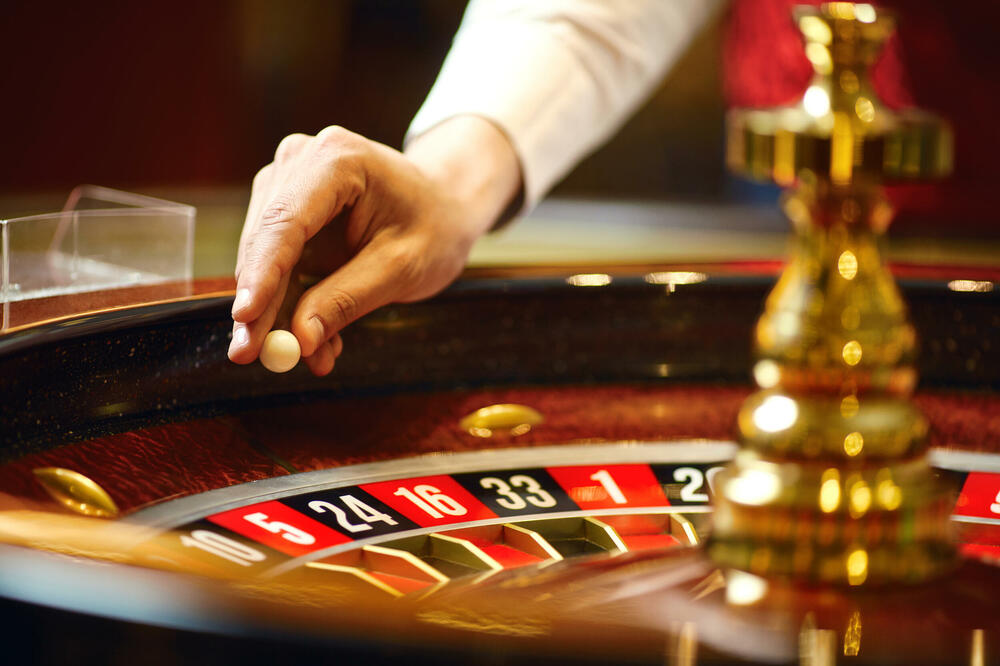
Research shows that psychological factors can affect how players perceive their experience, stimulating excitement and risk-taking behavior. However, it’s important to distinguish between emotional experience and actual game mechanics. Players may feel that they are luckier in certain settings, but fundamentally, each game operates under the same probabilities and odds, regardless of how excited or deterred one feels in the casino environment.
Ultimately, players should be aware that while the casino atmosphere can enhance the enjoyment of gambling, their experience should be grounded in an understanding of the reality of chance. By separating emotional perceptions from the realities of gambling outcomes, players can foster a more grounded approach to their casino visits, leading to healthier gambling habits.
Understanding the Role of Online Information
In today’s digital age, misinformation about gambling can easily spread through various online platforms. Players often encounter blogs, forums, and social media channels that perpetuate myths about casino gambling. It’s essential to critically evaluate the sources of information and seek out reputable websites or expert opinions to get a clearer understanding of how gambling works. Reliable resources often provide insights based on data and statistics rather than anecdotal experiences.
Furthermore, established casinos often have comprehensive guides on their websites that explain game rules, odds, and strategies, helping players make informed decisions. These resources empower players to understand the games they play, enhancing their enjoyment and reducing the likelihood of falling into common traps associated with gambling myths. Knowledge is a player’s best tool in navigating the complex world of casino gaming.
Additionally, organizations that promote responsible gambling can offer valuable support and information for those seeking to understand their habits. Awareness of potential risks, signs of problematic gambling, and strategies for moderation can facilitate a healthier relationship with gambling. As players educate themselves and utilize available resources, they will be better equipped to separate myth from reality in the casino environment.